





Jigsaw Puzzles and Menopause: Finding Calm, Clarity, and Joy One Piece at a Time
Menopause is one of life's biggest transitions. For many women, it brings unexpected changes—not just physically, but emotionally and mentally too. From brain fog and restless nights to increased stress and anxiety, the journey can feel overwhelming. While there's no single solution to every symptom, many women are discovering comfort in simple, mindful activities that help restore balance. One of the most rewarding? The timeless jigsaw puzzle.
A Gentle Escape from the Everyday
Life rarely slows down, especially during menopause. Between work, family, and daily responsibilities, finding time to truly switch off can be difficult. Sitting down with a jigsaw puzzle creates an opportunity to step away from screens, notifications, and endless to-do lists.
As each piece finds its place, your mind naturally shifts into the present moment. Instead of worrying about tomorrow or replaying yesterday, you're focused on colours, shapes, and patterns. It's a peaceful form of mindfulness that doesn't require any special training—just a table, a puzzle, and a little time.
Helping with Brain Fog
One of the most common complaints during menopause is brain fog. Many women describe moments of forgetfulness, difficulty concentrating, or struggling to stay focused.
Jigsaw puzzles gently exercise the brain by encouraging problem-solving, visual recognition, memory, and attention to detail. While puzzles aren't a cure for cognitive changes, regularly engaging your brain with enjoyable challenges may help keep your mind active and improve concentration over time.
The best part? There's no pressure. Unlike work or daily responsibilities, puzzles allow you to think at your own pace, making every completed section feel like a small personal achievement.
Reducing Stress and Anxiety
Stress can often intensify menopausal symptoms, creating a cycle that's difficult to break. Working on a puzzle encourages slower breathing, quiet concentration, and a sense of calm.
Many puzzlers describe entering a "flow state"—a feeling where time seems to disappear as they become completely immersed in the activity. During these moments, racing thoughts often quieten, allowing the mind to rest.
Even spending just 20 to 30 minutes with a puzzle can become a welcome daily ritual that helps reduce tension and create space for relaxation.
Better Evenings, Better Sleep
Sleep disturbances are another common challenge during menopause. While puzzles won't eliminate night sweats or hormonal changes, they can provide a healthier evening routine than scrolling through phones or tablets.
Reducing screen time before bed may help prepare your body for sleep, while the calming nature of puzzling encourages your mind to unwind naturally. Finishing the day with a peaceful activity instead of digital stimulation can make bedtime feel a little more restful.
The Joy of Creating Something Beautiful
There is something deeply satisfying about watching hundreds of individual pieces slowly transform into a stunning image. Every completed section provides a small sense of accomplishment, releasing those rewarding feelings that come with making progress.
For women navigating a stage of life filled with change, these little victories can help rebuild confidence and provide moments of genuine joy.
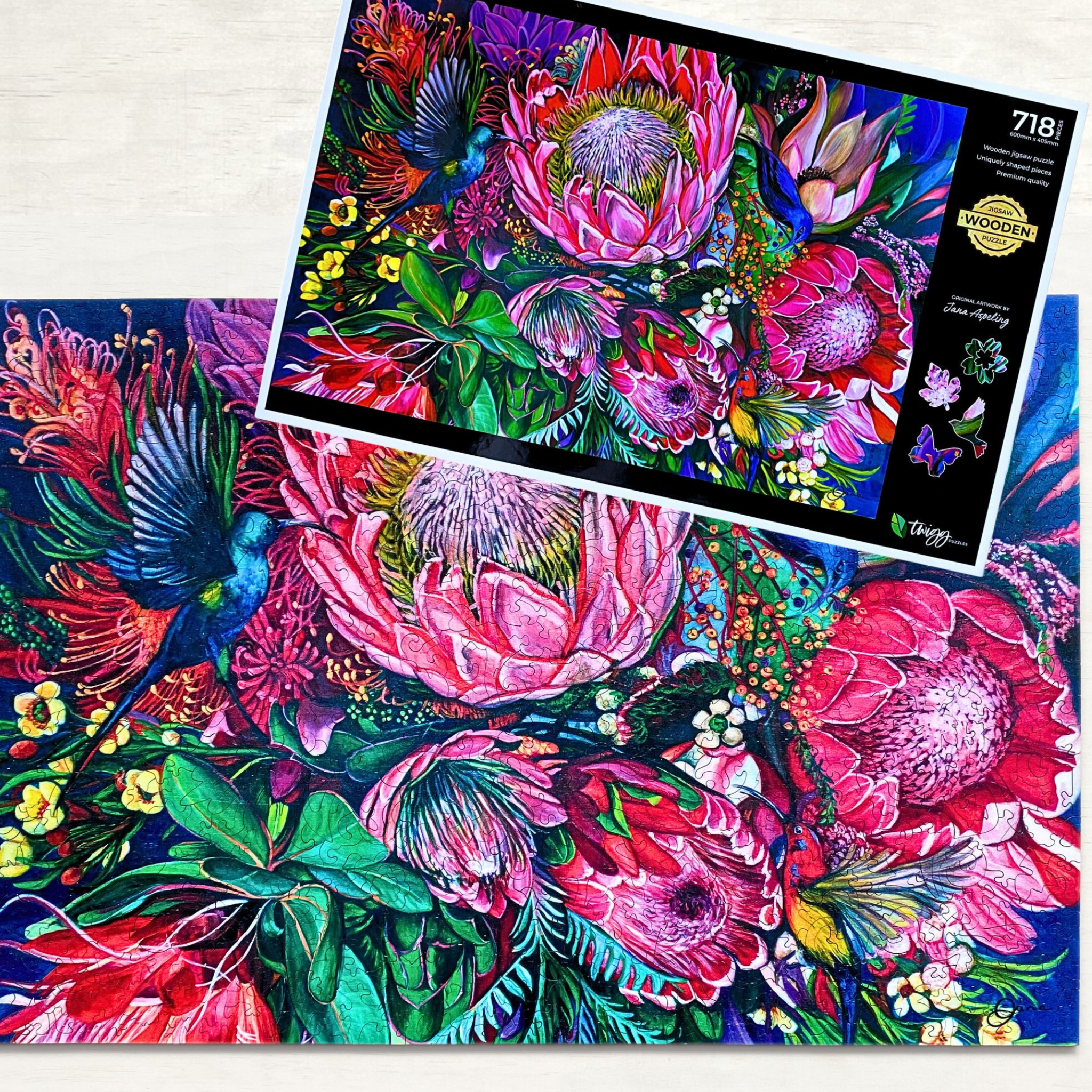
Whether it's a vibrant landscape, a beautiful floral scene, or an intricate wooden puzzle with uniquely shaped pieces, every finished puzzle tells its own story.
A Chance to Connect
Puzzles don't have to be completed alone. They offer a wonderful opportunity to spend quality time with partners, friends, children, or grandchildren. Conversations flow naturally around the table, creating moments of connection without the distractions of television or mobile phones.
For those who enjoy quiet time, puzzles are equally rewarding as a solo activity—offering peaceful solitude whenever it's needed.
More Than Just a Hobby
Jigsaw puzzles remind us that progress doesn't have to happen quickly. One piece at a time, something meaningful begins to emerge.
Menopause is much the same. Some days feel challenging, while others bring clarity and confidence. Through patience, persistence, and self-care, every small step contributes to the bigger picture.
So, if you're looking for a simple way to slow down, engage your mind, and create moments of calm, consider pulling up a chair and opening a jigsaw puzzle. It may be one of the most relaxing—and rewarding—forms of self-care you can add to your routine.
After all, every beautiful picture begins with just one piece.
